
Moldova is discussing stronger protection for children online. This guide separates public proposals from binding rules and explains what families, schools and platforms can do now.
Social media rules for minors in Moldova: current status and safe steps
- Moldovan authorities are considering restricting social media access for teenagers. We break down how digital identification will work and what parents need to know.
- Combating digital addiction: Children are spending more time online, facing anxiety and gadget dependency.
- Content safety: Restricting access to harmful information that can negatively affect a minor's development.
- Control over AI: The uncontrolled use of artificial intelligence technologies by teenagers is a growing concern for regulators.
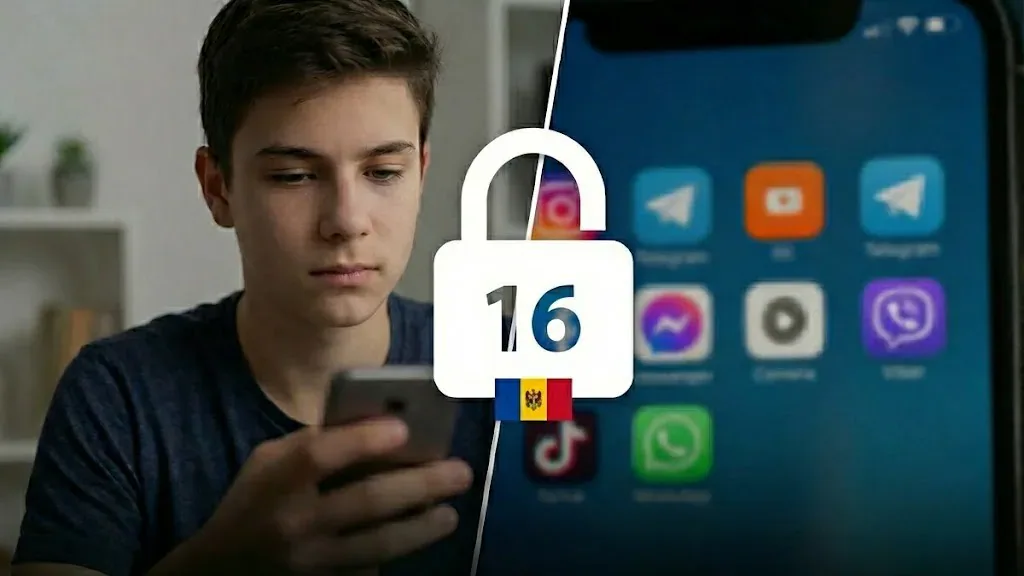
Social Media Under Lock: A New Initiative by the Authorities
Authorities in Moldova are launching public discussions regarding a possible ban on access to social networks for children and teenagers under the age of 16. The reason for this measure is the growing harmful influence of the digital environment on minors.
Protecting children's mental health in the digital age has been named a priority by President Maia Sandu, who proposed the development of a national wellbeing program. According to government representatives and experts, modern platforms carry risks that children cannot always manage on their own.
Why Has This Become Necessary?
The need for strict regulation has become evident due to several growing concerns. The initiative is supported by both officials and representatives of the education sector. Key arguments in favor include:
- Combating digital addiction: Children are spending more time online, facing anxiety and gadget dependency.
- Content safety: Restricting access to harmful information that can negatively affect a minor's development.
- Control over AI: The uncontrolled use of artificial intelligence technologies by teenagers is a growing concern for regulators.
- Mental health protection: Addressing the rise in digital dependency and access to harmful information.
Need to assess the project’s digital or regulatory risks?
A lawyer can review the operating model, documents and Moldovan requirements, identify risk areas and recommend a legal adaptation plan.
How Will It Work Technically?
Many parents are concerned about how the state will verify a user's age online. The answer lies in modern digital identification tools.
State Secretary of the Ministry of Economic Development and Digitalization, Michelle Iliev, announced that the restriction is planned to be implemented using a digital wallet. This electronic identification tool will allow for age verification when logging into online platforms.
The E-Governance Agency already possesses the technical solutions to implement such a measure. Additionally, the authorities intend to adopt a document on digital services that will hold large platforms accountable for the content they distribute.
Global Experience: Moldova is Not Alone
The idea of restricting social media access is a global trend. Similar steps are already being taken in several countries:
- Australia: Has already introduced a social media ban for children under 16.
- Netherlands and France: Are taking similar steps to restrict access.
- European Union: Is discussing a similar restriction, with the possibility of access for teenagers aged 13–16 only with parental consent.
Distinguish a bill from a prohibition already in force. Until final adoption, publication and commencement, parents, schools and platforms should not be told that a new duty already applies. The article and any advice should state the initiative's status on a specific date, its review stage and the issues that may still change.
Preparation can occur without premature conclusions: map children's data, age settings, parental tools, advertising profiles, complaints and responses to harmful content. Schools and businesses should not collect identity copies “just in case” without a legal basis and safeguards. Any later implementation should combine child safety, data minimisation, an appeal route and verifiable platform decisions.
Difficulties and Challenges
Despite the authorities' determination, experts point out certain "pitfalls". The main difficulty is that teenagers often use their parents' devices, making it hard to fully block access.
Anna Nucă, a lyceum director from Ungheni, notes that while regulation is necessary due to high levels of anxiety and dependency among students, the approach must remain balanced.
Our Comment:
This initiative is currently in the public discussion stage, and the legal mechanisms for its implementation are yet to be finalized. However, parents should already start paying attention to their children's digital hygiene.
If you have questions regarding the protection of your child's rights in the digital space or the liability of online platforms — consult a lawyer from our bureau.
What is binding now and what still requires an official act
A public statement, policy discussion or safety campaign does not by itself create a legal ban. Before treating an under-16 restriction as mandatory, check whether a final act has been adopted, published and brought into force, which services it covers, and who must verify age. The official materials available in 2026 focus on child online safety and support; implementation details for any broader platform restriction must be checked against the final text if one is adopted.
- Parents: review privacy settings, reporting tools and trusted-adult contacts with the child.
- Schools: use a written response route for cyberbullying and preserve evidence instead of circulating it.
- Platforms and businesses: do not collect identity documents “just in case”; age checks still require a lawful basis, data minimisation and security.
If a child is threatened, blackmailed or exposed to abusive material, safety and reporting come before the policy debate.